Overview
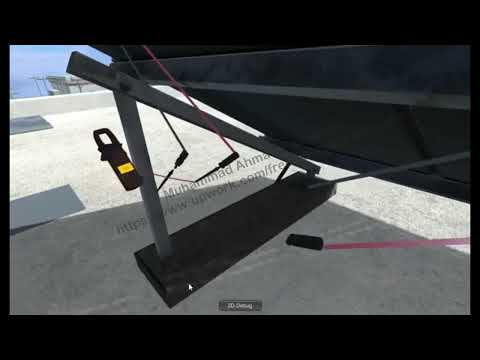
Solar Lab VR is an educational virtual reality application that teaches solar energy principles through hands-on simulation. Students design solar panel arrays, position them for optimal energy capture, simulate different weather conditions, and observe real-time energy output calculations, all within an immersive VR environment.
The application transforms abstract energy concepts (solar irradiance, panel efficiency, angle of incidence, shading effects) into tangible, interactive experiences. Students do not calculate energy output on paper; they build a solar installation and watch it perform.
The Problem
Solar energy simulation requires accurate physics: panel orientation, shading calculations, seasonal variation, and weather effects all affect real-world energy output. The simulation had to be accurate enough for educational use while remaining intuitive enough for students encountering renewable energy concepts for the first time.
Strategic Execution
I built the simulation engine around real solar physics: irradiance calculations, panel efficiency curves, angle-of-incidence effects, and shading analysis are all computed in real time as students adjust their installations.
The VR interaction model lets students physically place panels, tilt them to optimal angles, and arrange arrays across a virtual rooftop or ground mount. The environment responds to their choices: shadows shift, energy meters update, and system output changes in real time.
Weather simulation adds another layer: students can test their installations under clear skies, partial cloud cover, and overcast conditions, understanding how weather variability affects energy planning.
Highlights
- Real-time solar physics simulation with accurate energy calculations
- Physical panel placement and orientation in VR
- Shading analysis showing real-time effects of panel positioning
- Weather simulation: clear, partial cloud, overcast conditions
- Energy output visualization and comparison tools
Unbeatable Results
Solar Lab VR makes renewable energy visceral. Design decisions move energy meters in real time: irradiance, shading, weather answering back. Textbooks describe; this lets students build. That's why it sticks.